Failed Gas Pressure Test in Chicago? Repair Timeline, Cost Drivers & Next Steps
Failed a gas pressure test or inspection?
Get code-focused gas pressure testing, leak isolation, repair, and re-test help for Chicago homes, apartments, restaurants, and commercial properties.
A failed gas pressure test can stop a closing, delay a restaurant opening, hold up a remodel, or keep a gas meter locked until the problem is corrected. For homeowners and property managers in Chicago, the hard part is usually not understanding that something failed. The hard part is figuring out what happens next, how urgent it is, and who can repair the gas piping without turning the job into weeks of back-and-forth. This guide explains the practical next steps after a failed gas pressure test, the most common reasons gas piping does not hold pressure, and how to move from inspection failure to a safe, documented repair.
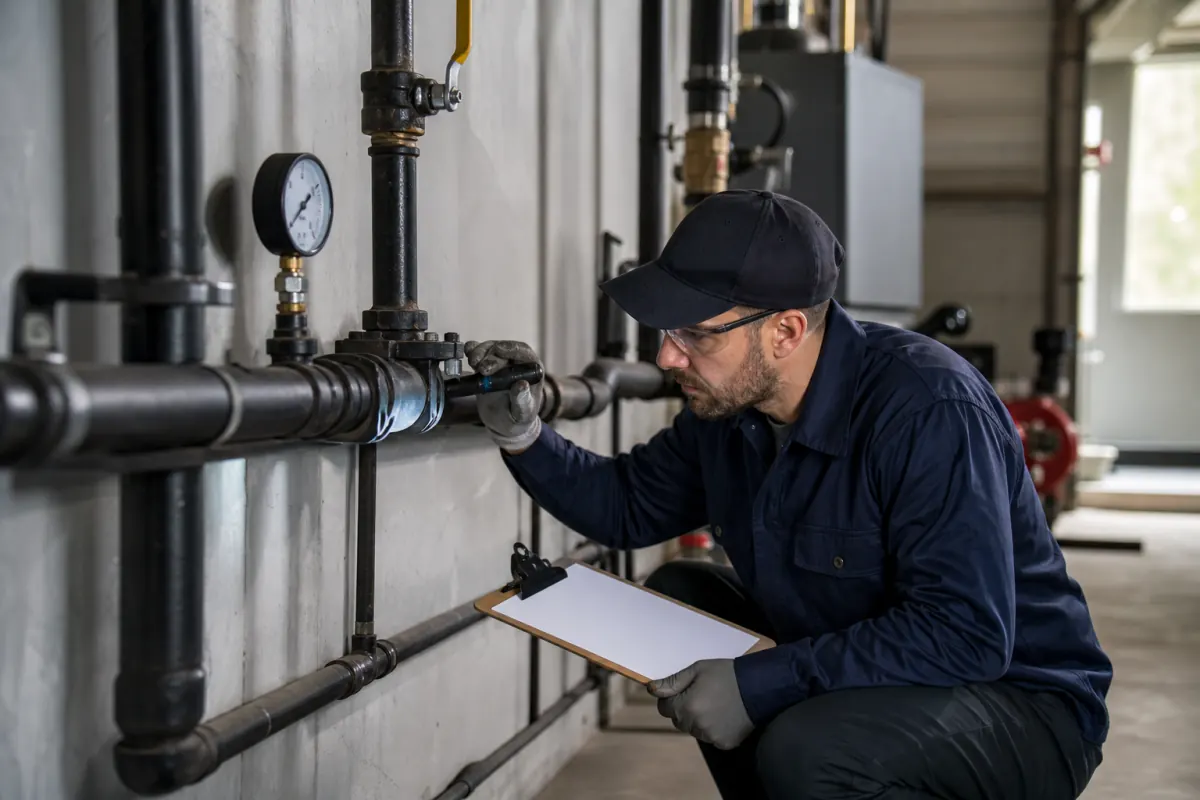
A pressure test is different from a quick smell check. During a proper test, the gas line is isolated, pressurized with air or another approved test method, and watched to confirm that pressure holds for the required period. If the gauge drops, the system is leaking somewhere or the test setup is not sealed correctly. That leak may be at a threaded fitting, appliance connector, union, shutoff valve, old black iron piping, CSST transition, rooftop line, or a hidden section that was disturbed during remodeling. The answer is not to turn the gas back on and hope for the best. The answer is to isolate, diagnose, repair, and re-test.
If you are searching after a failed gas pressure test, a failed gas line inspection, or for a gas line pressure test repair, you probably already have a failed inspection report, a utility issue, a building-department requirement, or a contractor waiting on gas service. So this is a practical repair guide, not a generic safety article. If you need help now, call the service line or use the request form so a technician can gather the address, property type, test details, and deadline.
Why gas pressure tests fail
Loose or aged threaded fittings are one of the most common issues, especially on older Chicago properties where black iron pipe has been changed over many years. A tiny leak at a fitting may not be obvious during normal use, but it can show up during a pressure test. Appliance shutoff valves can also fail at the packing nut or stem. In commercial kitchens, repeated equipment moves, fryer replacements, and range swaps can stress fittings and connectors. In basements, laundry rooms, boiler rooms, and mechanical spaces, corrosion is another frequent problem.
Remodeling work can also create failures. A new stove, dryer, tankless water heater, rooftop unit, patio heater, or garage heater may require a gas line extension. If the new branch is not sized, supported, sealed, or tested properly, the whole system can fail. Sometimes the leak is not in the new work at all; pressurizing the system simply reveals an older weak point that had been hidden. That is frustrating, but it is better to find the issue during a controlled test than after the gas is live.
What happens after a failed pressure test
The first step is to keep the gas system off until the issue is resolved. If gas odor is present, leave the building and call emergency services or the utility from a safe location. If the failure is part of an inspection, gather the inspection note, permit information, appliance list, and any photos of the gauge or piping. A qualified gas piping technician will usually start by confirming the test setup, isolating sections when possible, and checking accessible fittings and valves before opening walls or ceilings.
Good diagnosis saves money. Replacing random pipe sections can get expensive fast. A more efficient approach is to divide the system into logical zones: meter to main branch, mechanical room, kitchen branch, laundry branch, rooftop branch, outdoor line, or commercial equipment branch. Once the leaking zone is identified, repairs may involve re-threading, replacing valves, correcting unions, changing connectors, upgrading sediment traps, adding accessible shutoffs, or replacing corroded sections. After repair, the line is re-tested so the owner has a clear path back to inspection approval.
Timeline and cost drivers
Simple accessible leaks can often be repaired quickly. More complicated jobs take longer when the line is concealed, when multiple leaks are present, when commercial equipment must be disconnected, or when permits and inspection scheduling are involved. Cost depends on access, pipe size, number of branches, height or rooftop work, whether the building is residential or commercial, and whether the repair must be coordinated around business hours. A restaurant that needs night work to avoid closing lunch service has a different schedule than a vacant single-family property waiting on a closing.
The biggest avoidable cost is delay. Failed pressure tests can hold up electricians, plumbers, HVAC contractors, real estate closings, tenant move-ins, and city inspection sign-offs. Calling early gives the technician time to review the failure, bring the right fittings, and plan the re-test. If the property has a deadline, say so during intake. The goal is not just to repair pipe; it is to get the gas system safely approved so the project can keep moving.
Residential, rental, and commercial pressure test situations
Homeowners usually run into pressure testing during appliance upgrades, remodels, home inspections, or utility restoration. Landlords and property managers often need help after tenant turnover, code violations, insurance work, or long-shutoff units. Commercial owners face higher stakes because downtime affects revenue. A failed restaurant gas pressure test can keep ovens, fryers, water heaters, boilers, and make-up air systems offline. That is why commercial gas pressure testing should be handled with a downtime plan and direct communication about which equipment must remain shut down.
If your property is in Chicago, Joliet, Crest Hill, Lockport, Plainfield, Romeoville, or nearby suburbs, the smartest path is to request a gas pressure testing repair visit before the inspection clock becomes an emergency. Bring the failed test details, list the affected equipment, and note whether the gas meter is locked or active. The clearer the intake, the faster the field work can start.
How to prepare before booking service
Before you call, take photos of the failed test gauge, the main gas meter, the appliance connections involved, and any inspection paperwork. Do not try to tighten fittings yourself if the system is live or if you smell gas. Do not use open flame to search for leaks. Do not ask a handyman to bypass a shutoff or reconnect equipment without testing. A small shortcut can create a major safety risk and can make an inspector less confident in the final repair.
When you book, ask for pressure testing, leak isolation, code-compliant gas line repair, and re-test support. Those phrases match the work that actually solves the problem. If the failed test is tied to a sale, tenant opening, restaurant equipment install, or utility unlock, mention that too. The right service visit should end with a safer line, clearer documentation, and a path to approval.
Frequently asked questions
Can I use the gas line after a failed pressure test?
No. If the system failed a pressure test, keep it off until the leak is found, repaired, and re-tested. If you smell gas, leave the building and call emergency help from a safe location.
How long does gas pressure test repair take?
Accessible single-leak repairs may be handled quickly, while concealed piping, commercial branches, rooftop lines, or multiple leaks can take longer. The repair plan depends on access, pipe condition, and inspection requirements.
Do commercial kitchens need special planning?
Yes. Restaurant gas piping affects cooking equipment, water heating, ventilation, and revenue. A downtime plan helps schedule repair and re-test work around business needs when possible.
Need gas line help now?
Get routed to the right gas line repair, installation, or pressure testing service page and request help today.